



The cyber threat intelligence market is expanding as organizations face faster attacks, growing vulnerability volumes, identity-based threats, and increasingly sophisticated cybercrime. Threat intelligence helps security teams identify adversaries, understand attack techniques, prioritize vulnerabilities, and turn large volumes of security data into actionable risk information. Financial institutions use it to detect credential theft, fraud, and emerging […]
Supply Chain Cybersecurity Statistics 2026: Key Risks
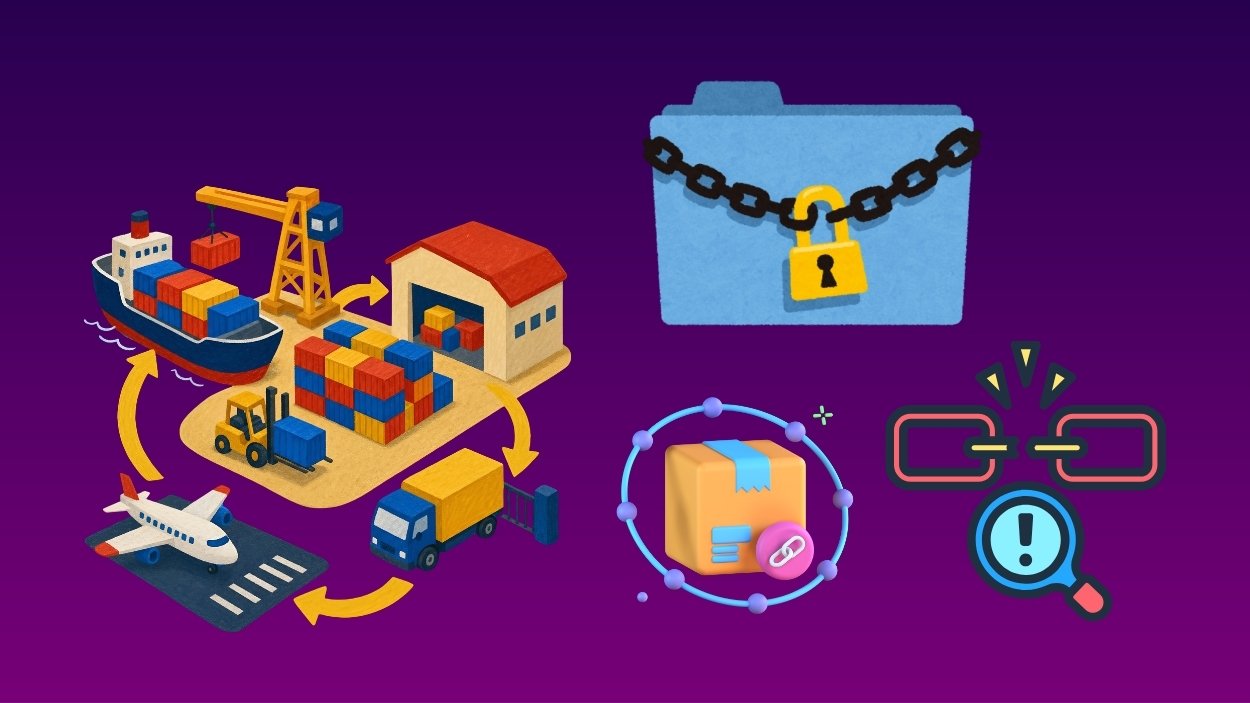
Supply chain cybersecurity has become a major business continuity and risk management concern as organizations rely on increasingly interconnected networks of software providers, cloud platforms, contractors, payment processors, and other third parties. A security weakness at one supplier can create a path into multiple customer environments, allowing a single incident to expose sensitive data, disrupt […]
Scam Statistics 2026: Key Risks You Need to Know

Scams have become a major financial and digital-security problem in the U.S. Fraudsters now reach consumers through social media, cryptocurrency platforms, text messages, phone calls, and AI-assisted impersonation. The impact extends from households that lose savings to banks, ecommerce companies, and online platforms that must detect fraudulent transactions and compromised identities. Recent data show that […]
Facial Recognition Statistics 2026: Must-Know Trends
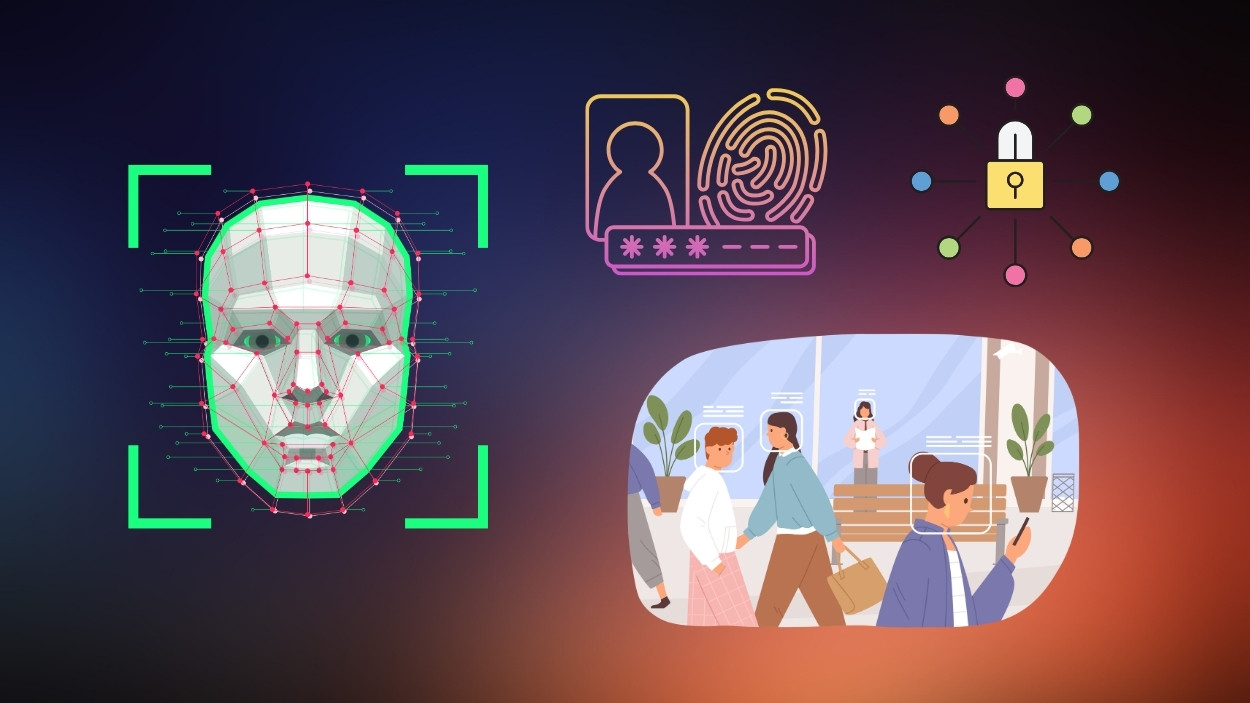
Facial recognition has evolved from a specialized security technology into a widely used form of digital identity verification. Airports and border agencies use facial comparison to verify travelers, banks apply facial authentication to protect accounts and approve digital services, and smartphones increasingly rely on facial biometrics for secure device access. Healthcare providers, retailers and law […]
Cybercrime Statistics 2026: Shocking Risks Exposed

Cybercrime affects consumers, businesses, governments, and critical infrastructure at a scale that makes digital security an economic and operational priority. Criminal groups increasingly combine phishing, stolen credentials, malware, ransomware, cryptocurrency fraud, and social engineering to reach victims across borders. Artificial intelligence is also changing the threat landscape by helping attackers create more convincing messages, synthetic […]